

Redefining "Royale": Why We Need to Stop Pretending Classical Music Doesn't Still Have a Gatekeeping Problem
If you spend enough time in the classical music world, you eventually have to have a conversation that makes people a little uncomfortable. We have absolutely come a long way as a culture, and there are many deeply respected, accomplished Black musicians thriving in classical spheres today who prove that genuine, serious progress is happening.
But let’s face it: classical music in 2026 still has a gatekeeping problem, and we need to stop pretending it doesn’t. It is systemic, it is built into the very institution itself. It is designed to keep the unprivileged out.
When I say systemic, I don't just mean a biased judge at a piano competition or conservatory auditions. I mean the invisible architecture of how music education is fundamentally taught and funded. It is an exclusionary system that operates on three quiet, powerful levels:
The Financial Moat
Classical education is built on the assumption of generational wealth. The traditional path to excellence requires a massive financial runway—a high-quality acoustic piano in a spacious living room, expensive hourly masterclasses, sheet music libraries, and conservatory tuition. When the baseline requirement for entry is disposable income, you inherently exclude marginalized communities who have been historically subjected to the racial wealth gap.
The Curriculum of Erasure
From the moment a child starts lessons, they are handed a standard curriculum that treats 18th-century European men as the absolute, unquestionable pinnacle of musical genius. Black composers, if they are mentioned at all, are routinely treated as a "niche" interest or a temporary elective for Black History Month, rather than foundational texts. The system trains students to view white European history as the default, and everything else as an alternative.
Pedagogical Policing
Traditional classical training heavily prioritizes reading ink on a page over ear-training, groove, and improvisation—skills that are absolutely essential to the Black musical traditions like jazz and gospel. For decades, conservatories dismissed these oral and improvisational traditions as "less rigorous" or as an inferior style. Furthermore, the concert hall itself is highly policed: how you dress, how rigidly you sit, and exactly when you are permitted to breathe or clap. It demands that Black musicians assimilate into a very specific, white, aristocratic standard of physical and emotional decorum just to be taken seriously on stage.
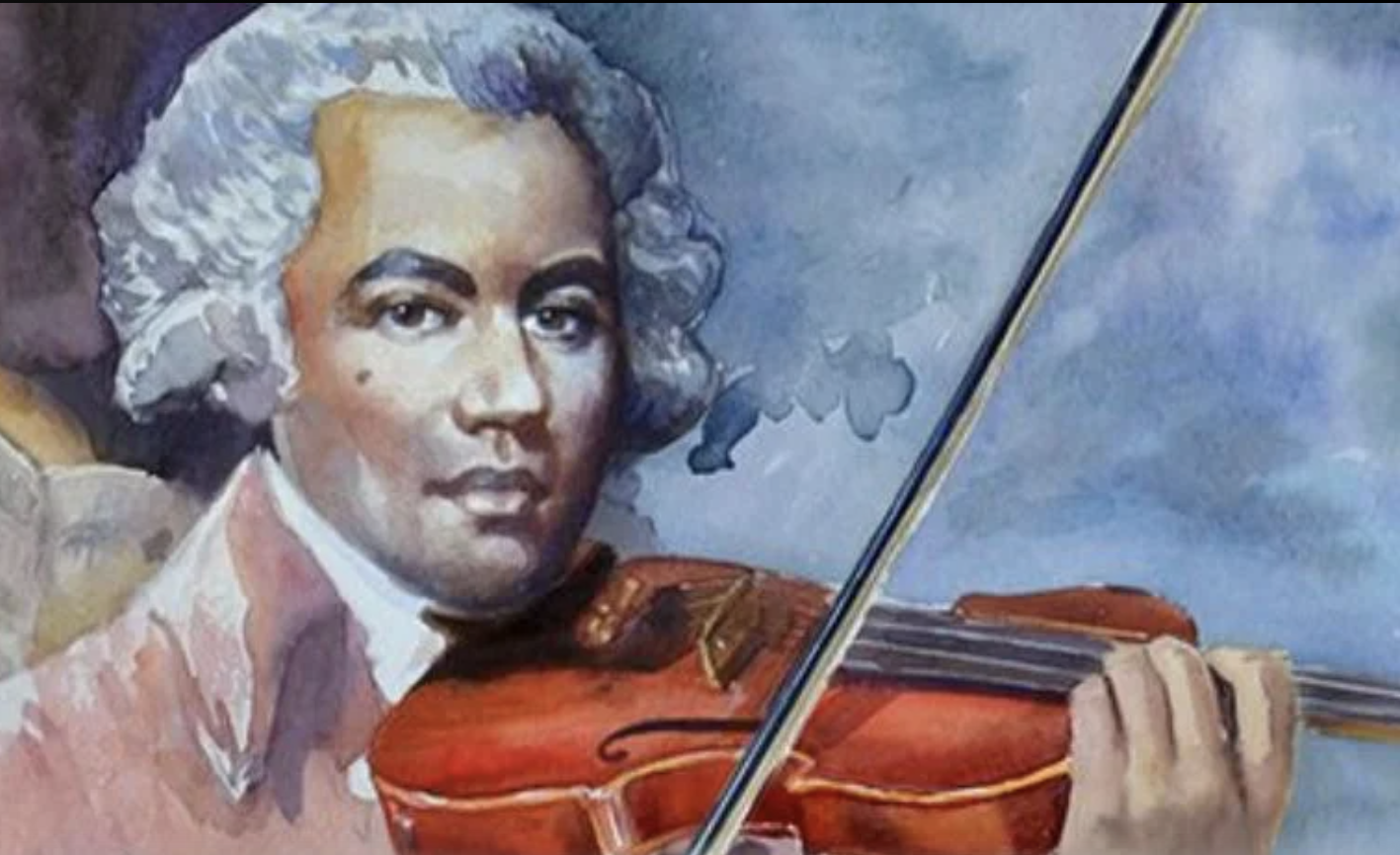
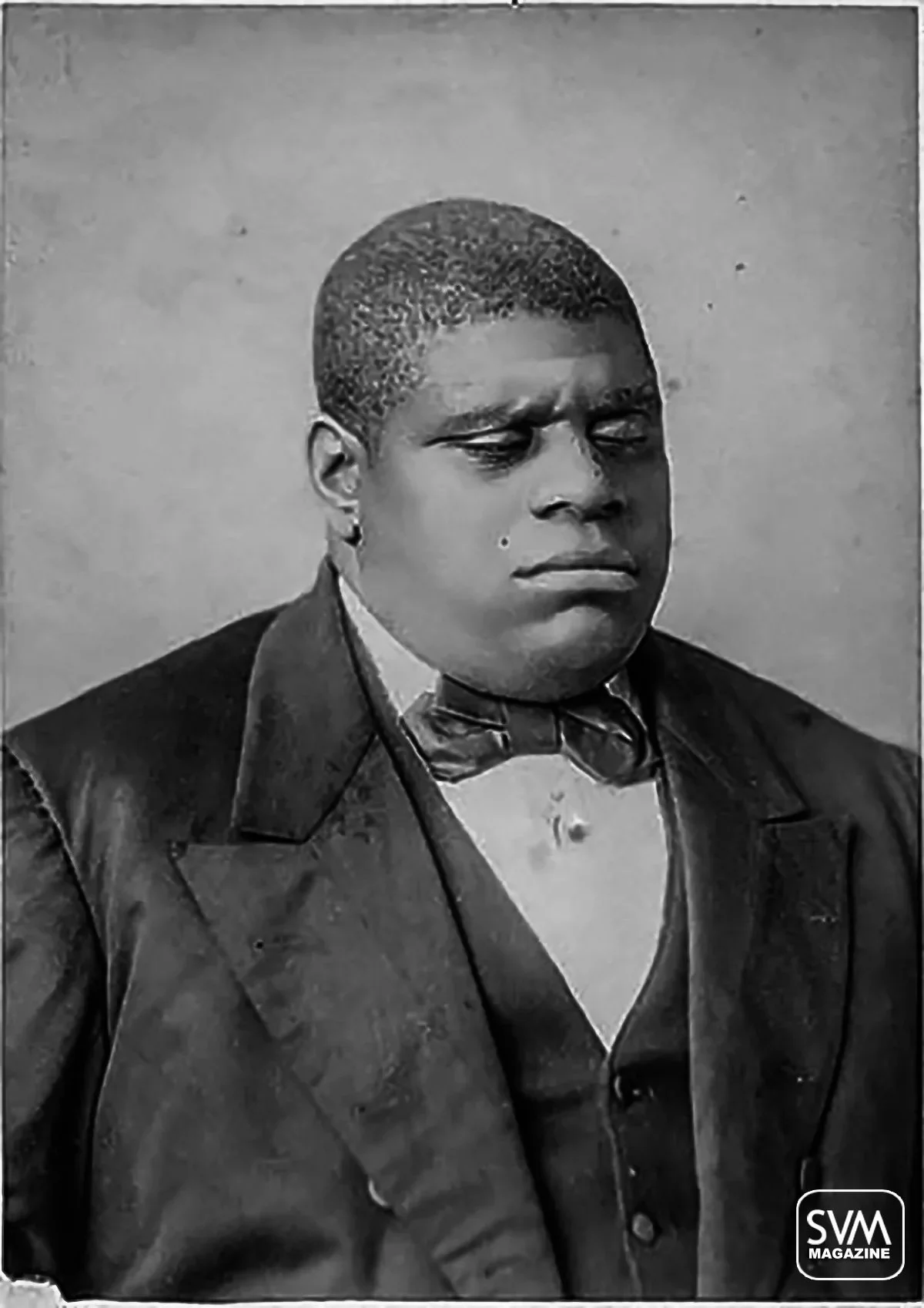
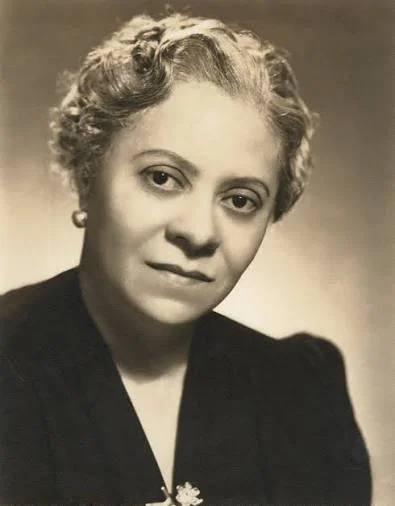
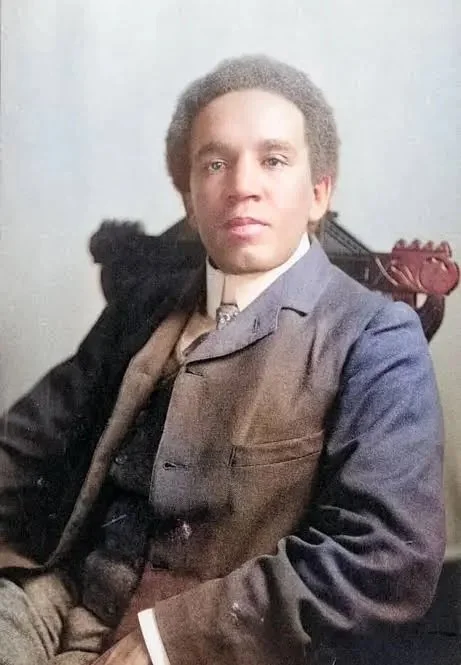
For centuries, the traditional classical establishment has operated on a framework of intense exclusivity. It is an ecosystem that has historically equated worth with rigid perfectionism, extreme financial investment, and proximity to whiteness. Black accomplishments in this sphere have routinely been downplayed or erased, leaving African Americans severely underrepresented across orchestras, audiences, and academia. From Chevalier De Saint-Georges to Samuel Coleridge-Taylor, brilliant Black classical musicians and composers were largely written out of the canon. Historically, the primary way a Black person was even permitted to interact with a piano in a wealthy home was by cleaning the room it sat in. As a Black pianist, I know exactly what it feels like to navigate an institution that was not built for me—and in many ways, still actively resists my presence.
I know this is heavy to read. Believe me, it is just as uncomfortable and painful to write about. But I don’t point out these locked doors just to sit in the frustration of them. I point them out because identifying the barriers is the very first step to tearing them down. And that brings me to why I teach.
Oddly enough, one of the core techniques in sight-reading sheet music is exactly this: you must identify and remove what slows you down. Recognizing the complex barriers on the page is what allows you to play fluently. In the exact same way, identifying the barriers in our industry is what will finally get us all up to speed by stopping the unconscious gatekeeping.
When I named my business Royale Piano, some people understandably assumed I was leaning into that same elitist classical tradition. They see the word "Royale" and expect a hyper-competitive, joyless crucible where kids are trained to be perfect human mp3 players.
Some parents are actually very disappointed when they realize my studio is the exact opposite of that.
But "Royale" isn't a marketing ploy to signal aristocratic prestige. It’s my middle name. I put my own identity on this business because my approach to music education is a deliberate reclamation of an instrument that has been gatekept for far too long. Plus, who doesn’t like playing music at a classy piano studio? Let’s be honest: I can dismantle the elitism while still having an undeniable soft spot for Rococo design, Gaudí, Victorian elegance, paisley piano shawls, and immaculate recital halls. You can love the ornate, breathtaking beauty of the music and the spaces it's played in without adopting the snobbery. We keep the pretty; we ditch the pretense.
Now here’s what dismantling elitism actually looks like in practice at Royale Piano:
1. Removing the Geographic and Financial Gates
The traditional model demands that students come to a pristine, expensive studio. I prefer to meet my students exactly where they are. Whether they are practicing on a Bösendorfer concert grand or a 32-key electronic keyboard tucked in a basement, the standard of joy and rigor is exactly the same. By offering accessible, premier private in-home and in-studio piano lessons, as well as running affordable, fun afterschool enrichment programs, we bypass the traditional barriers to entry. High-quality music education shouldn’t require a massive living room and a trust fund. Furthermore, through the Melody Davis Memorial Scholarship—created in honor of my late sister—we are ensuring that financial constraints do not keep passionate, dedicated kids away from the keyboard.
2. Democratizing the Repertoire
The classical canon is often treated as a sacred, untouchable text, but a C major scale is the same whether you use it to play Bach or to build a synth-pop track. At Royale Piano, we do not treat the piano like a museum piece, and we refuse to treat classical repertoire like a terrifying test you are bound to fail.
Democratizing the music doesn't mean watering it down or pretending centuries of rigorous classical mastery don't matter. In fact, we know and respect the traditional systems inside and out—if you want to prep for rigorous exams like ABRSM, Trinity, or the Royal Conservatory, we know exactly how to help you master the repertoire and crush those tests. But we take the intimidation out of the prestige, distilling it down to clear, down-to-earth logic instead of using it as a weapon. We don’t just bark rules at you; we explain why they exist. We teach you that a traditional fingering isn't a Holy commandment—it is a brilliant historical solution that made the most sense on a 17th-century harpsichord or a 19th-century grand. It can also just be an editor’s bad opinion.
We will always give you the tools, the historical background, and the standard pedagogical approach. But in our low-pressure practice environment, you will never be shamed for a missed chord while learning. True growth requires recognizing where you went the wrong way, so we will always point out your blind spots—but we do so with practical, uplifting guidance rather than cold, punitive judgment. You also won’t be penalized for adapting a fingering because it physically suits your unique hand mechanics. We give you the foundation so you understand the rules, and then we empower you to adapt them intelligently so you can perform beautifully. Our goal isn't to force you into a rigid, arbitrary mold; it’s to help you master the instrument, to bring the music to life with healthy, confident technique.
My students learn brilliant technique, but they also learn how that technique translates to modern music creation with endless creativity. Whether they are reading traditional notation or learning how their keyboard skills can help them produce tracks in Ableton Live, they are taught that all music is valid. They own the language of music; they aren't just renting it to pass a conservatory exam. If you are looking for a place that treats the piano as a vehicle for drill-sergeant pressure, public shaming, or perfection at all costs, this is the wrong place.
3. Redefining the Performance
Elitism thrives in the terrifying, breathless silence of a rigid concert hall. The traditional recital demands flawless execution, creating an environment that punishes a child for any missed note with zero forgiveness. We reject that entirely. When we hold our recitals in Portland, the room is warm, supportive, and fiercely student-centered. We teach our students that a mistake is just a live moment of resilience. We encourage our audiences to drop their critical ears and champion the effort, the breath, and the recovery, if any. Our stage is a safe space to be human, because ultimately, that shared humanity is actually where the real beauty of music lives and draws its inspiration from.
The piano does not belong exclusively to the masters of the house anymore. It belongs to the kids in my afterschool programs. It belongs to the students who stumble on a passage, find their place on the page, and keep going.
I am not here to mold kids into stressed, silent competitors for an outdated institution. I am here to teach them how to be brave, how to truly enjoy the process of learning how to play music on the piano extremely well, and how to make this instrument—and ultimately their own amazing music—entirely their own.
I want to close with a reality check, because this is something I have navigated my entire life. Training under the rigid standards of a 90’s Russian piano school as a Black pianist means carrying the weight of invisible, impossible expectations. You show up just wanting to learn how to play beautiful music well, free from the burden of someone auditing your every flaw, assuming your intelligence is limited by the color of your skin, but that constant scrutiny leaves emotional scars that stay with you long after the lesson is over.
In fact, the catalyst for this very blog was due to a harpsichord workshop I recently attended at a prestigious, private university. It wasn’t billed as a high-stakes masterclass or a rigorous performance showcase; it was simply presented as an open, welcoming "opportunity" to try out a harpsichord. So I signed up to play Bach’s Little Prelude in C minor, BWV 999. Throughout the event, the room warmly applauded other musicians who stumbled through simplified pieces, Allemandes riddled with mistakes, fumbled their Italian Courantes, and some lost their way entirely in complex fugues.
But when the Black pianist finished her Prelude—and played it quite beautifully, if I do say so myself—there was no applause. Just silence. And a look I have known my entire life: the quiet, undeniable disgust of a room deciding that a Black person simply does not belong at the harpsichord.
Then came the swift, awkward public critique from the host: my playing was apparently too "singing-like," delivered with a polite warning that it needed to be locked into a rigid, lifeless "strict Baroque style." She essentially framed it as a reprimand—insisting that only a singer would play it the way I did, as if breathing a human, vocal line into Bach was somehow missing the point. (The irony, of course, is that I actually am a singer, although I rarely sing in front of people nowadays). She then leaned into the patronizing basics, helpfully recommending that I "must remember to block the chords"—a fundamental technical practice I have known for years, and one I regularly try to instill in my own students (assuming I can get them to actually have the patience for it).
I awkwardly rose from the bench at the harpsichord into dead silence. With everyone carefully avoiding eye contact, to be fair, I thought to myself she may have very well been absolutely right. I did practice Tchaikovsky’s Autumn Song a bit too heavily the night before in preparation for Royale Piano’s upcoming Autumn 2026 recital, so it made sense if it bled through my Bach playing.
But again, this reinforces the entire systemic issue: when an institution spends centuries locking a demographic out of the room, I couldn’t help but think how on earth are we supposed to know the secret Baroque handshake?
It is painful that this is still the reality of 2026. But this is also exactly why I will never stop building a different stage.
So if you’re looking for a studio where your child can play Bach, maybe make it "sing" a little too much, and get a massive, warm round of applause for it anyway... well, my door is wide open, sign up for Royale Piano lessons and come to our Lake Oswego studio today!
